
The Growing Importance of Muscle Recovery in Sports
Athletes have always understood that training and performance are the two essential components of athletic success, but it is only now that most begin to recognize that recovery represents yet another critically important component. However, continuous exertion of physical effort puts a strain on muscles, joints and connective tissues so that one must recover appropriately in order to preserve strength and mobility. This is one of the reasons benefits of deep tissue massage in Adelaide gaining popularity with active Australians seeking effective recovery. Athletes today are more into the future of their physical health than ever before and they are opting for recovery therapies that facilitate muscle recovery after exercise assists performance.
Understanding Professional Recovery Therapy
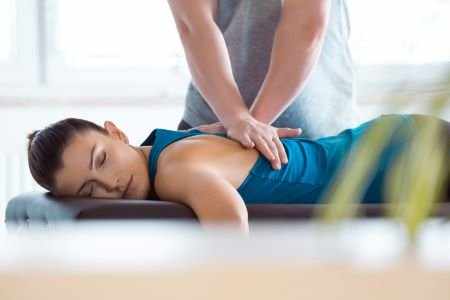
In contrast, pro recovery therapy is intended to release tension in the muscles, increase circulation and assist the body with muscle recovery after a workout or repetitive motion. These therapies focus on the deeper layers of muscle tissue where tightness and strain typically occur as opposed to standard relaxation treatments. For example, athletes frequently use massage modalities designed to promote recovery and reduce stiffness following strenuous physical activity. With the development of sports recovery methods, muscle therapy is a modern necessity for every athlete.
Why Athletes Prioritise Muscle Maintenance
Muscles undergo constant stress during training, competition, and conditioning. Tightness and fatigue can also gradually degrade the quality of movement and performance when you are not fully recovered. Athletes now realize that, to help endurance and facilitate flexibility and mobility, maintaining healthy muscle function is a crucial fact. By making the body more resistant to physical stress, recovery therapy helps the athletes be able to train on a regular basis for better outcomes. This kind of proactive approach to muscle care is gaining popularity within Australia’s sports and fitness communities.
Supporting Faster Recovery After Training
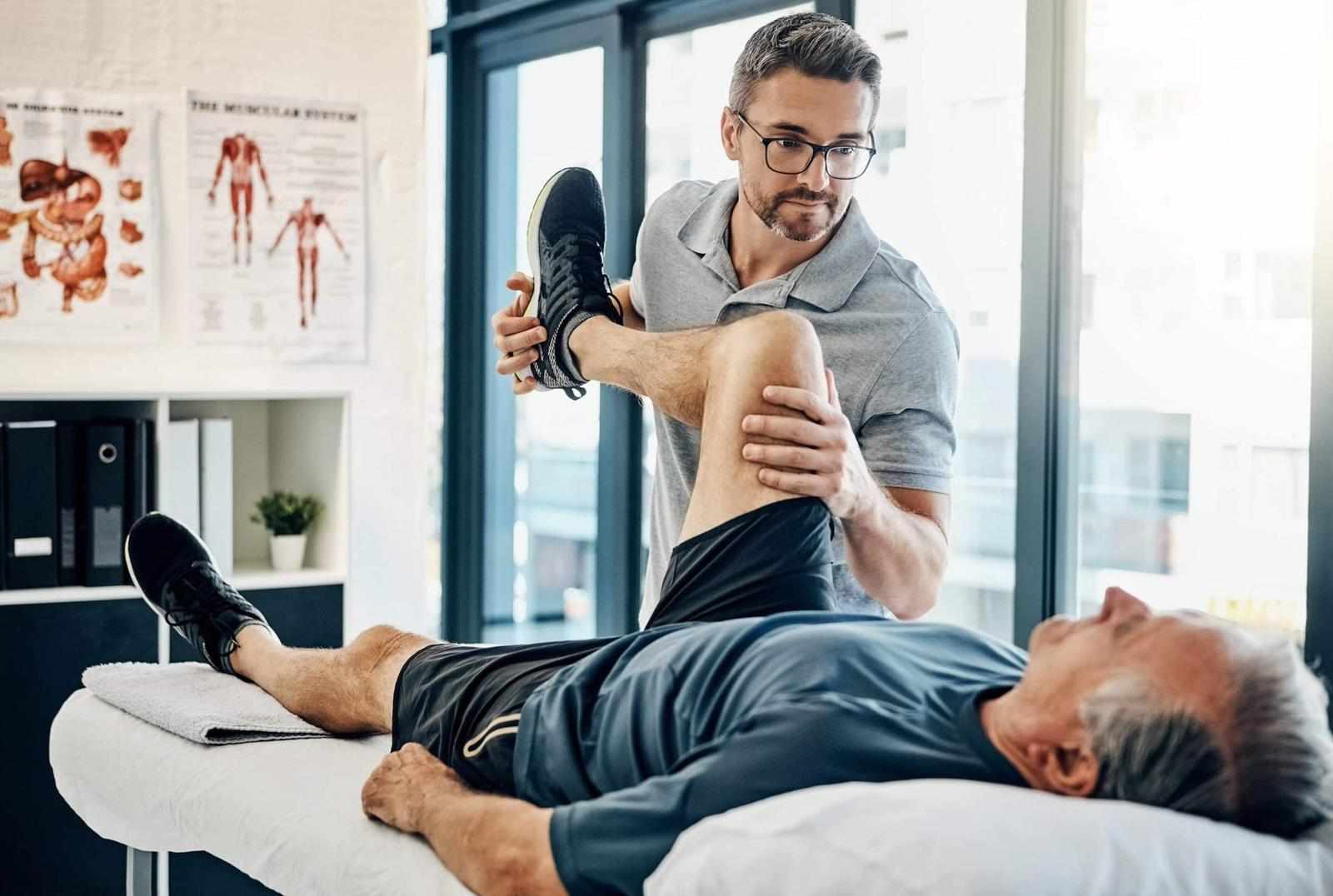
After short bursts of high-intensity focused exercise muscle soreness and stiffness often strike, hindering peak performance on the nearest training run. It is widely known that professional recovery therapy is often used to loosen muscles and promote faster muscle recovery between training sessions. Greater blood flow, and less muscular tension can help the body heal itself. Athletes appreciate recovery treatments that assist them in feeling revitalized and ready to meet continued physical demands. It is no longer just about time on the pitch, recovery has become a vital part of achieving consistent athletic performance.
Flexibility is an important component of athletic movement, coordination and injury prevention. Hardened muscle may limit movement patterns and increase stress on joints during workout. Athletes, who focus on the stretching of muscles tend to be better for several reasons when performing repetitive movements with higher precision and less restriction. This is one of the main reasons why recovery therapy continues to get more and more popular.
Where is Recovery Therapy Popular outside of Professional Sport?
Over recent years, professional recovery therapy has not just been reserved for elite athletes. Recovery-oriented wellness practices are also being adopted by everyday gym-goers, runners, cyclists, and the physically active population. The quest for safe therapies that enhance comfort and mobility are on the rise as many Australians juggle full workloads while try to stay active. In fact, more treatments like deep tissue massage in Adelaide are being seen as part of regular maintenance for the body instead of only once-in-awhile relaxation time. This change reflects the increasing emphasis on preventive physical care, and long-term wellness.
Release Muscle Tightness Related to Modern Lifestyles
We live in an age that mostly consists of lots of moderate sitting, repetitive tasks at various workstations at places we go to every single day, and poorer mobility for the remainder of our days. Such habits lead to muscle tightness, postural imbalances, and soreness — even in very active people. Even when you have no pain, recovery therapy works to relieve areas of accumulated tension that may impact your range of motion and flexibility over the long run. Recovery-Based Treatments can enhance muscle relaxation and circulation helping overall comfort in both everyday activities and physical exercise.
Recovery and Mental Wellbeing Connection
Physical recovery also affects mental concentration and quality of life. Athletes with a heavy training schedule often have musculoskeletal injury and mental fatigue. Recovery therapies are often respected because they promote relaxation and help individuals feel cognitively refreshed after heavy exertion. A physical comfort might improve the confidence, motivation and consistency of training routines. The links being forged between physical rehabilitation and mental wellbeing align with larger shifts in Australia’s contemporary health and fitness landscape.
Part of the Wellness Trend: The Rise in Preventive Recovery
The focus being placed by Australians on healthy and active lifestyles makes preventive recovery practices an increasingly important necessity over time. Instead of waiting for injuries or discomfort to become debilitating, many are now working recovery treatments into their everyday wellness routines. This is the type of injury prevention and thoughts around recovery focused therapies that support movement quality, mobility, mental resilience and maintaining muscle before tension builds through throttle on serious physical effort. Interest is on the rise in deep tissue massage in Adelaide because more people are seeing the importance of recovery and rest in maintaining continued good health over time.
Conclusion
Professional recovery therapy is a modern field in Australia and these treatments are now taken as part of routine schedule by most athletes and anyone seriously involved with wellness. These therapies help restore ranges of motion and comfort in your muscles, going from alleviating involuntary muscle tension to sustaining flexibility and aiding in physical recovery. With awareness growing around recovery, preventative care and proactive health maintenance more Australians are beginning to see the importance of maintaining muscle on a consistent basis. When it comes to recovery, treatments focused solely on recovery are regarded not as an optional luxury, but essential elements to support activity levels, performance and long term wellbeing.


Write a comment ...